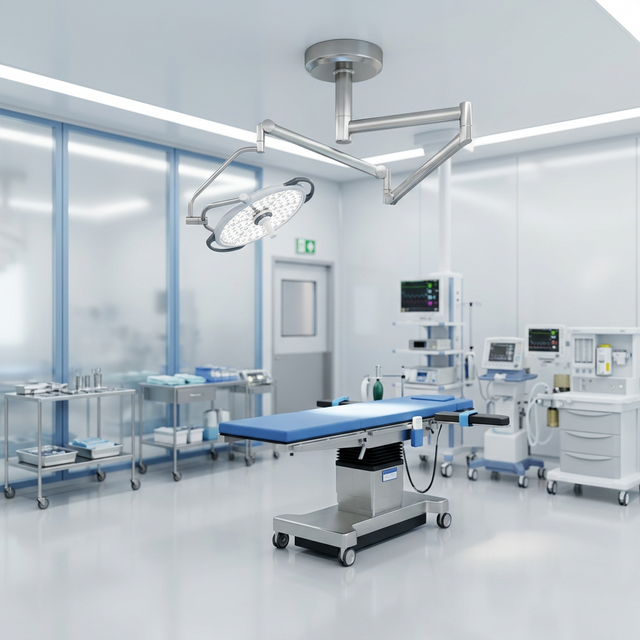
PCL Reconstruction
Restoring rear ligament stability for complete knee function.
PCL Reconstruction
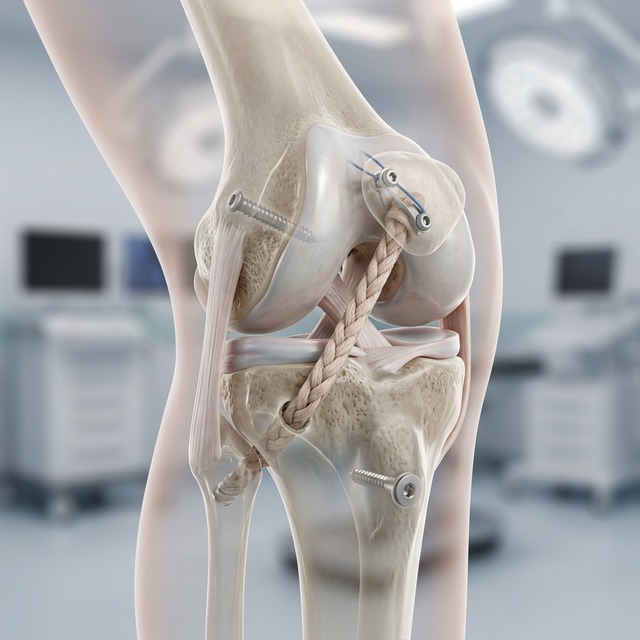
The Posterior Cruciate Ligament (PCL) is the primary stabilizer against posterior translation of the tibia. Tears often occur during high-energy trauma (like car accidents or sports collisions). PCL Reconstruction is technically demanding and requires precise graft placement to restore the 'central axis' of the knee. Dr. Ravi Teja utilizes advanced arthroscopic techniques to rebuild the PCL, often using thick, high-strength allografts or autografts to ensure the joint can handle rotational and posterior loads effectively. This procedure is critical for preventing long-term damage to the kneecap and inner knee compartment.
Surgical Process
Instability Assessment
Quantifying the degree of posterior sag using stress testing and MRI mapping.
Transtibial Tunneling
Precisely creating the tibial and femoral tunnels through arthroscopic keyholes.
High-Stability Fixation
Securing the graft meticulously to mimic the natural multi-bundle PCL anatomy.
Patient Care
Recovery Roadmap
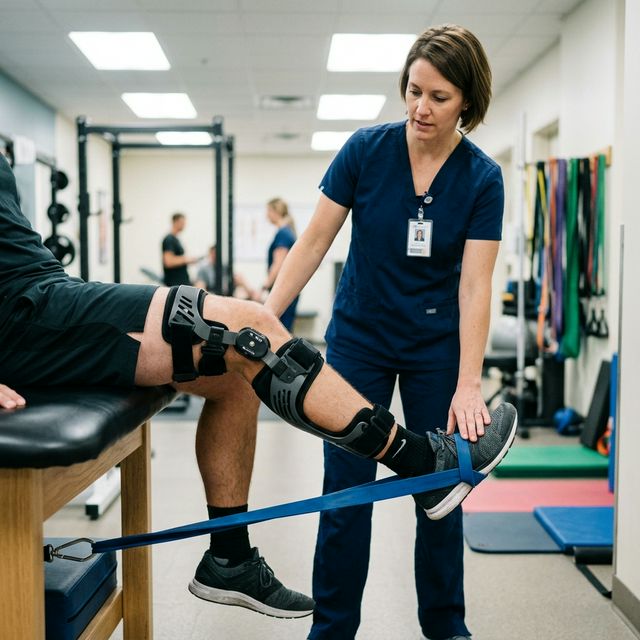
Patients typically use a specialized PCL brace for 6-12 weeks to protect the healing graft from gravitational pull. Full recovery takes 9-12 months with a focus on progressive quadriceps strengthening.
Who Needs This Procedure?
Patients with Grade III PCL tears or multi-ligament knee injuries
Individuals experiencing a posterior 'sag' of the tibia or recurring instability
Patients with persistent pain or instability after high-energy trauma
Athletes needing to restore the 'central axis' stability of the knee joint
Clinical Results & Gallery
Procedural Intelligence
Elite Patient Care
Dr. Ravi Teja provides personalized evaluations using the latest diagnostic technology for PCL Reconstruction.
Book EvaluationElite Standard
Certified Excellence
Safety First
Minimal Complications